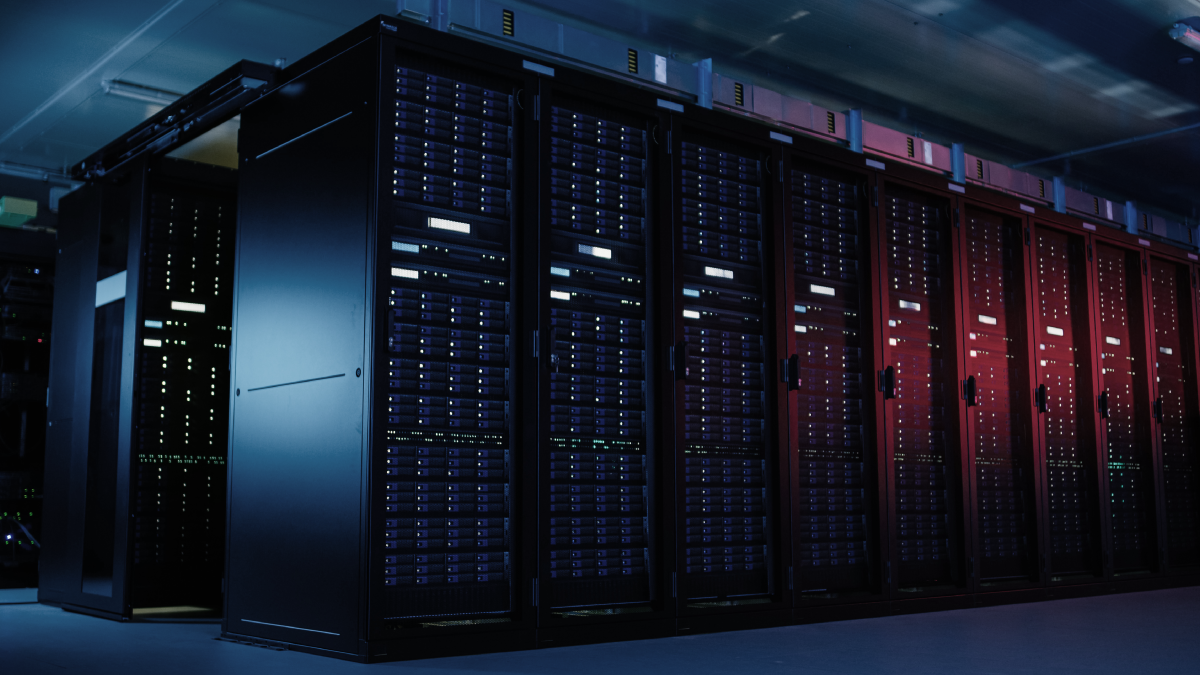
IT professionals understand the importance of optimal backup power protection for their critical applications. One of the factors to consider when selecting the right Uninterruptible Power Supply (UPS) system, is the type of battery. Lead-acid and lithium-powered batteries are the two main types to consider.
In this blog, we’ll review the benefits of lead-acid and lithium batteries in various applications. Both types of batteries offer power and protection, but which is right for your application, budget, and power needs?
Lead-acid Batteries

Conventional lead acid batteries have a proven track record of reliable performance in UPS systems, having been used in them for decades. They are economical but generally only last about a third as long as lithium batteries. Built with durable materials, they can deliver high currents for short durations, which is essential for UPS applications during power outages. Some of the benefits of lead acid batteries are:

Lower Upfront Costs
If short-term budget is a concern, lead acid batteries are an affordable option.

The Power of Choice
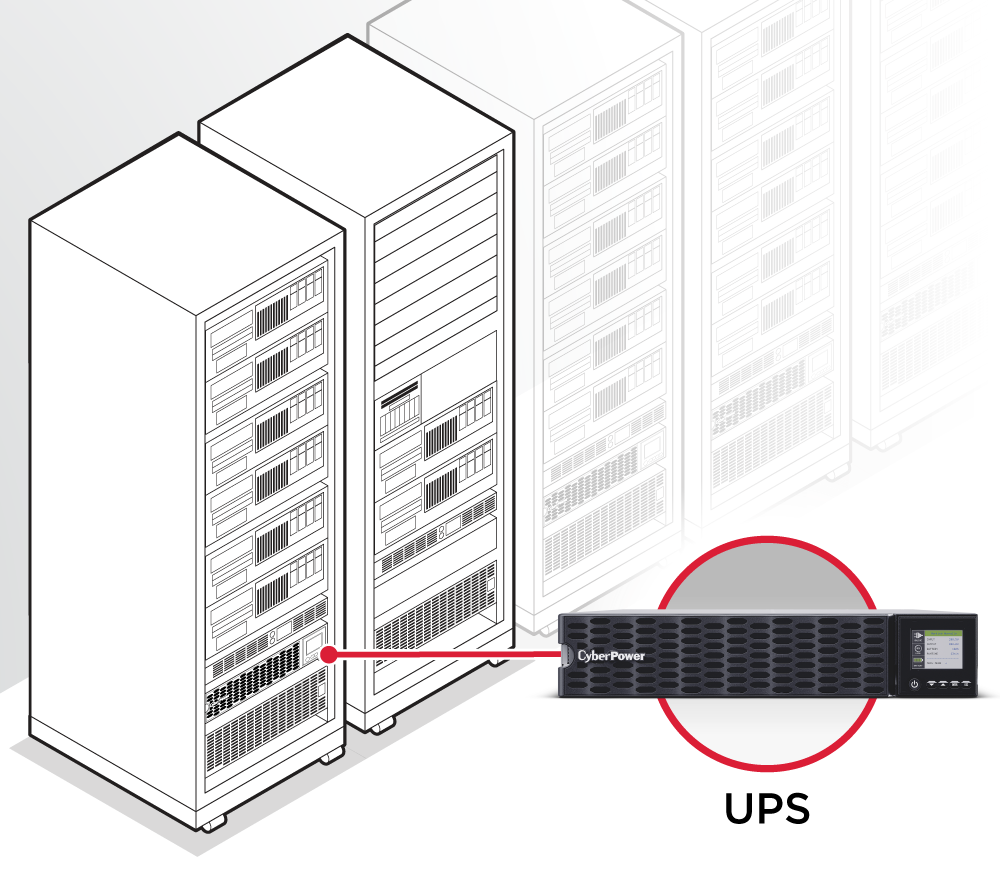
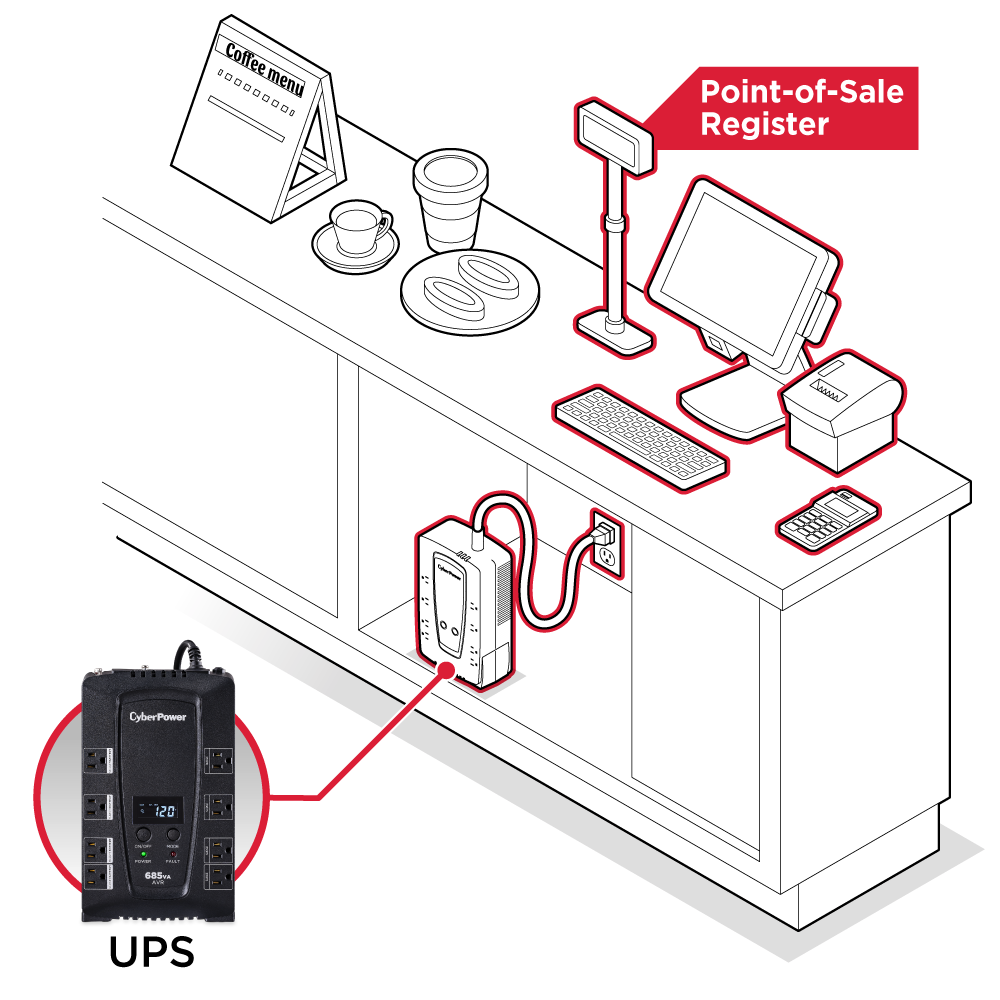
Lead acid batteries are the most popular form of battery backup. Their wide availability offers customers many options across capacity, number of outlets and ports, LCD panels, and battery efficiency so they can find the right battery backup for their needs.
Lead-acid batteries can commonly be found in server rooms, networking closets, home offices, and retail environments.
Lithium Batteries
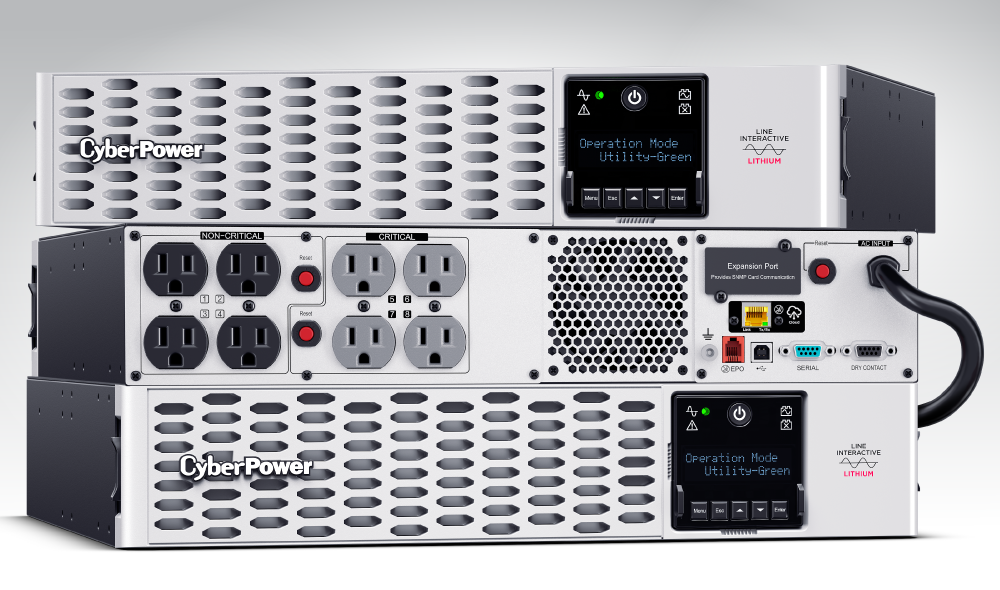
Lithium-ion batteries are becoming a more common in UPS systems. Lithium-iron, or LiFePO4, is known as the safest, most stable, and most reliable lithium battery chemistry. It is widely considered the top choice for UPS applications due to its excellent thermal stability, long cycle life (it can be charged and discharged many more times than other chemistries), and inherent safety.
Lithium-iron (Li-iron) batteries are rapidly gaining popularity in UPS systems due to their superior performance characteristics compared to traditional lead-acid batteries. Here’s why:
Longer Lifespan

Extended Design Life: Li-iron batteries typically have a much longer design life, often 8-10 years, compared to 3-5 years for most VRLA lead-acid batteries.
Longer Cycle Life: Li-iron can withstand a significantly greater number of charge/discharge cycles (thousands, compared to hundreds for lead-acid), making them more suitable for applications with frequent discharges.
Potential Lower Total Cost of Ownership (TCO): While the upfront cost of Li-iron batteries is higher than conventional batteries, their longer lifespan, reduced replacement frequency, lower maintenance requirements, and potential for energy savings (due to reduced cooling) may result in a lower TCO over the life of the UPS system.
Smaller and Lighter

Smaller Footprint: Li-iron batteries can store significantly more energy. This means UPS systems with Li-iron batteries take up considerably less space (often 40-60% less) and are lighter, which is crucial in space-constrained environments like data centers, server rooms, and edge IT deployments.

Higher Power Output: Lithium batteries can deliver higher currents for extended periods, providing more runtime, or support larger loads.
Faster Recharging

Rapid Recovery: Li-iron batteries can be recharged more quickly, often reaching full charge in 1-2 hours, while lead-acid batteries can take 8-16 hours. This means the UPS system is ready for the next power event much sooner.
Wider Temperature Tolerance

Reduced Cooling Needs: Li-iron batteries generally operate efficiently and maintain their lifespan over a wider temperature range compared to lead-acid batteries. This can lead to reduced cooling requirements and associated energy costs in the data center.
Lithium batteries are safer than traditional UPS batteries when paired with a Battery Management System (BMS). The BMS controls charge, voltage, and temperature, preventing thermal runaway.
Typically, Lithium-iron batteries are utilized in server rooms and network closets, FED/SLED applications, and data centers. Lithium-iron UPS systems are also more popular in certain regions of the United States where clean energy and sustainability are emphasized.

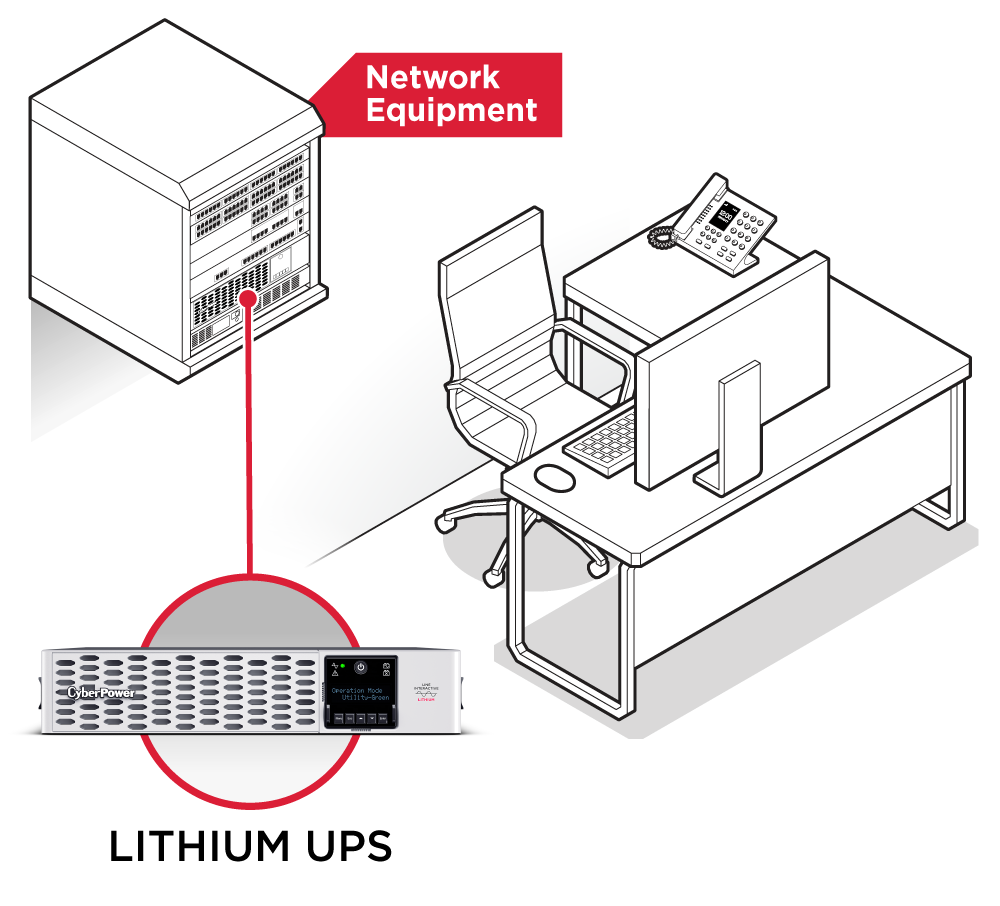
For mission critical and larger operations like data centers and POS systems, lithium batteries offer many advantages with a lower total cost of ownership. For home offices and back offices, either battery option will work. The good news is CyberPower offers both.
When you need a UPS system or have a question about the operation of your UPS system, CyberPower is your ultimate ally in power and provides solutions to all your power protection needs. Plus, CyberPower offers industry-leading warranties backed by US-based technical support.
For more information, check out these tools and resources on the CyberPower website:
- Benefits of Lithium powered UPS:
https://www.cyberpowersystems.com/blog/benefits-of-lithium-powered-ups/ - Battery replacement:
https://www.cyberpowersystems.com/battery-replacement-tool/ - Power Primer/How to choose a UPS:
https://www.cyberpowersystems.com/resources/choosing-an-uninterruptible-power-supply-system/
https://www.cyberpowersystems.com/tools/ups-selector/


